
Cholesterol is a fatty substance in your blood that plays an important role in building healthy cells. However, having too much of the “bad” cholesterol (LDL) can increase the risk of heart disease, stroke, and other health problems. The good news is that by making small, consistent lifestyle changes, you can manage your cholesterol levels naturally. Below are seven effective ways to reduce cholesterol and improve heart health.
1. Adopt a Heart-Healthy Diet
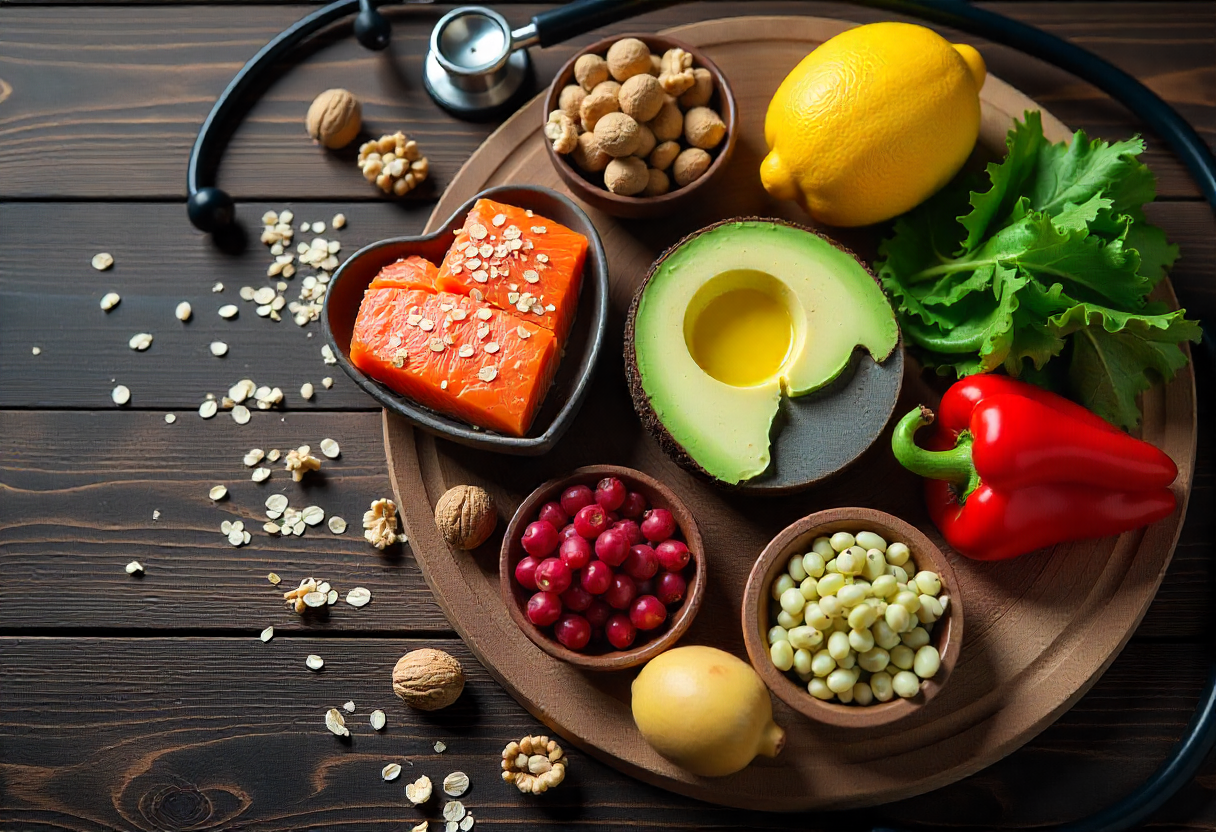
The first step to lowering cholesterol is to adjust your diet. Focus on eating foods that are rich in fiber, such as oats, beans, lentils, whole grains, and vegetables. Fiber helps reduce the absorption of cholesterol in your bloodstream. Replace saturated fats found in red meat and full-fat dairy with healthier unsaturated fats from olive oil, avocados, and nuts. Also, reduce processed foods and added sugars, as they can increase triglycerides and LDL cholesterol.
2. Increase Physical Activity
Regular exercise can help raise high-density lipoprotein (HDL), also known as the “good” cholesterol, while lowering LDL. Aim for at least 150 minutes of moderate aerobic activity each week, such as brisk walking, cycling, or swimming. Even simple activities like taking the stairs instead of the elevator can make a difference over time.
3. Maintain a Healthy Weight
Being overweight or obese can raise your LDL cholesterol. Shedding even a small amount of weight can help lower cholesterol and reduce the risk of heart disease. For instance, losing just 5-10% of your body weight can lead to noticeable improvements in cholesterol levels. Pairing a balanced diet with regular exercise is the best approach for long-term weight management.
4. Quit Smoking
Smoking damages blood vessels and lowers HDL cholesterol. When you quit, your heart and lungs begin to heal almost immediately. Within just a year of quitting, the risk of heart disease is cut in half. If quitting feels difficult, seek professional support or join a cessation program for guidance and encouragement.
5. Limit Alcohol Consumption
Drinking alcohol in moderation may have some heart benefits, but too much can increase cholesterol and triglyceride levels. If you drink, keep it moderate—up to one drink per day for women and up to two for men. Reducing alcohol intake can also support better liver function and overall health.
6. Include Omega-3 Fatty Acids
Omega-3 fatty acids are known for their heart-protective benefits. They don’t lower LDL cholesterol but can raise HDL cholesterol and reduce triglycerides. Fatty fish such as salmon, mackerel, and sardines are excellent sources. For vegetarians, walnuts, chia seeds, and flaxseeds are good plant-based alternatives.
7. Manage Stress Effectively
Chronic stress can indirectly contribute to high cholesterol by triggering unhealthy habits such as overeating, smoking, or drinking. Practicing stress management techniques like meditation, yoga, deep breathing, or even simple hobbies can help reduce stress levels and protect your heart health.
Final Thoughts
Lowering cholesterol doesn’t require drastic changes—it’s about making smart, consistent choices every day. By adopting a heart-healthy diet, staying active, managing weight, and maintaining healthy habits, you can naturally reduce cholesterol and lower your risk of cardiovascular diseases. Always consult with a healthcare provider before making major lifestyle changes, especially if you have existing health conditions.