
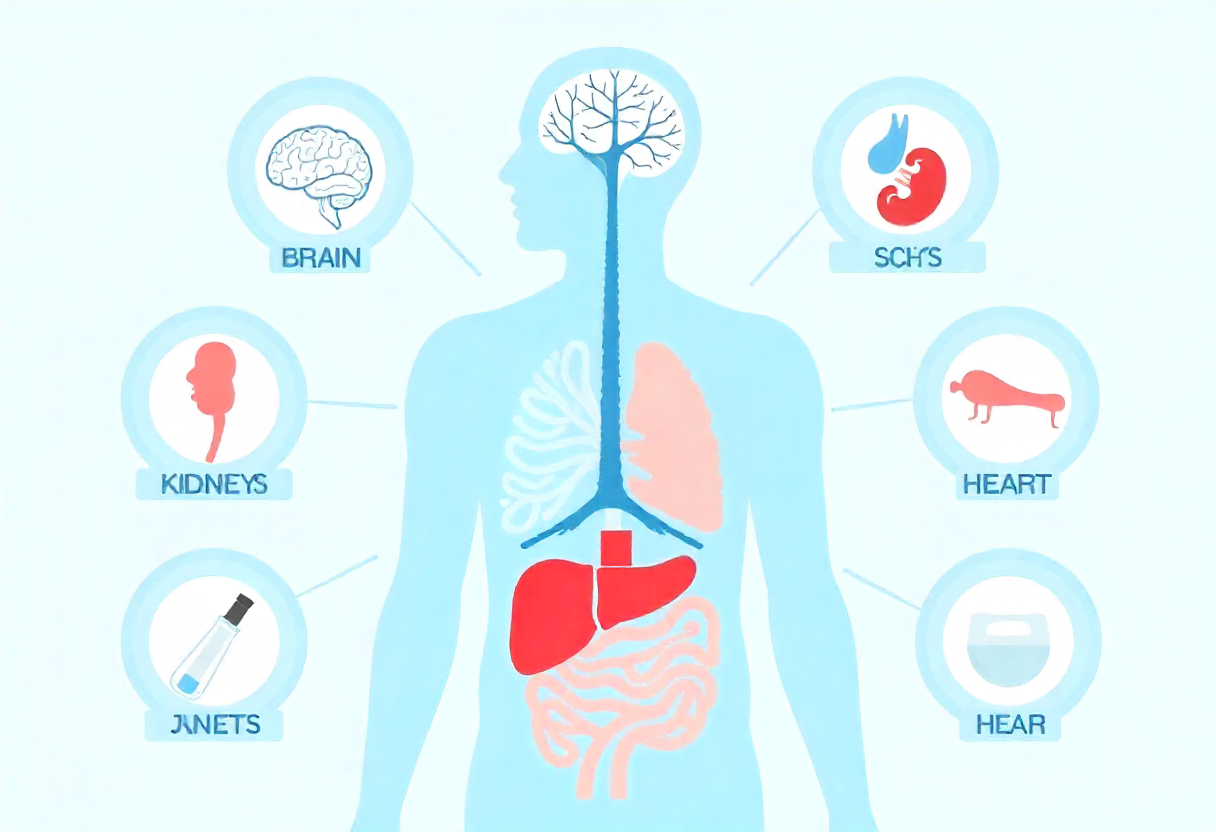
Water makes up about 60% of the human body, and it’s essential for nearly every function — from regulating temperature to flushing out toxins. Yet, many people don’t realize how easily dehydration can creep in and affect their overall health.
In this article, we’ll break down what dehydration does to your body, how to recognize it early, and simple ways to prevent it.
🔍 What is Dehydration?
Dehydration happens when your body loses more fluids than it takes in. This can happen due to sweating, urination, vomiting, diarrhea, or simply not drinking enough water — especially in hot climates or during physical activity.
Even mild dehydration can impact your energy levels, brain function, and mood.
⚠️ Common Signs of Dehydration:
-
Dry mouth and lips
-
Headaches or dizziness
-
Fatigue or low energy
-
Dark yellow urine or low urine output
-
Dry skin
-
Muscle cramps
-
Rapid heartbeat or breathing
-
Confusion or irritability (in severe cases)
💥 What Dehydration Does to Your Body
1. Affects Brain Function
The brain relies heavily on water to work efficiently. When dehydrated, you may experience brain fog, memory issues, poor concentration, or mood swings. Even 1–2% fluid loss can impair cognitive performance.
2. Disrupts Physical Performance
Whether you’re exercising or just doing daily tasks, lack of water reduces endurance, increases fatigue, and affects motor control. Athletes especially should stay vigilant about fluid loss.
3. Slows Down Digestion
Water helps break down food and absorb nutrients. Dehydration can lead to constipation, bloating, and overall sluggish digestion.
4. Strains the Heart and Kidneys
When dehydrated, your heart has to work harder to pump blood, and your kidneys may struggle to filter waste properly. Chronic dehydration can contribute to kidney stones and urinary tract infections (UTIs).
5. Impacts Skin Health
Your skin can become dry, flaky, or lose its elasticity when you’re not hydrated. Though drinking water won’t magically clear skin, it plays a role in maintaining its appearance and function.
✅ How to Prevent Dehydration
-
Drink regularly – Aim for 6–8 glasses (about 2 liters) of water per day.
-
Monitor urine color – Pale yellow = hydrated, dark yellow = drink more.
-
Eat hydrating foods – Watermelon, cucumber, oranges, celery, and lettuce.
-
Use reminders – Set a water reminder on your phone or use a water-tracking app.
-
Increase intake during heat or exercise – Don’t wait to feel thirsty.
💡 Final Thoughts
Dehydration is more than just feeling thirsty. It affects your body from head to toe — physically, mentally, and even emotionally. Understanding the warning signs and being proactive about hydration is one of the simplest, yet most powerful steps you can take toward better health.
Make water your daily habit — your body will thank you.