
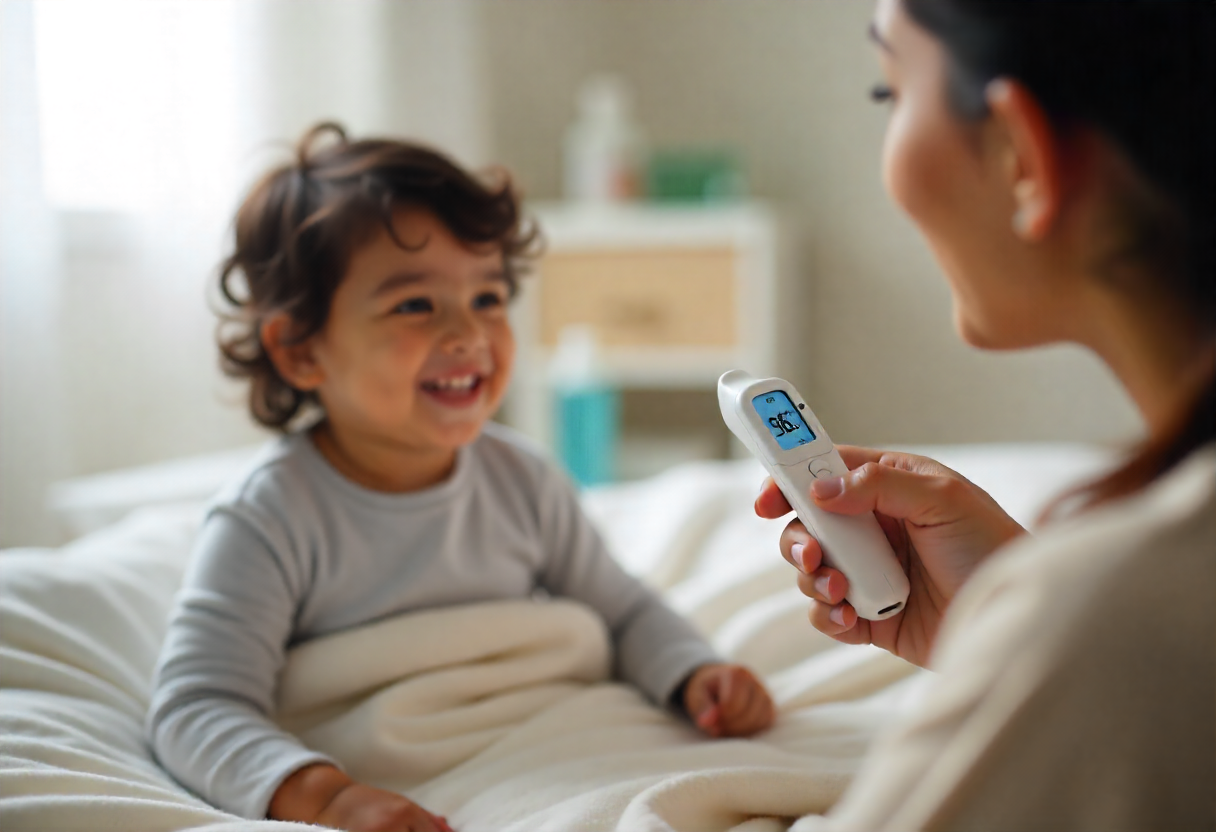
Most of us associate body temperature with just one thing — fever. But did you know that your body temperature tells a bigger story about your health?
Let’s break down what body temperature actually means, what’s normal, and when it’s time to pay attention.
🌡️ What Is Normal Body Temperature?
The average healthy body temperature is 98.6°F (37°C) — but that’s not the same for everyone. A healthy range is usually between 97°F (36.1°C) and 99°F (37.2°C) depending on:
-
Age
-
Time of day
-
Physical activity
-
Hormonal changes
For example, your temperature may be lower in the morning and higher in the evening — and that’s totally normal.
🔥 When Is It Considered a Fever?
A fever usually means your body is fighting off an infection. Here’s a quick guide:
| Temperature (°F) | What It Means |
|---|---|
| 97 – 99 | Normal range |
| 99 – 100.4 | Mild elevation, watch closely |
| 100.4 – 102 | Low-grade fever |
| 102 – 103 | Moderate fever |
| 103+ | High fever – seek medical help |
If a fever lasts more than 3 days, or is accompanied by symptoms like rash, confusion, shortness of breath, or dehydration — consult a doctor immediately.
❄️ What About Low Body Temperature?
A drop below 95°F (35°C) is called hypothermia, and it can be dangerous. Causes include:
-
Prolonged exposure to cold
-
Shock or severe infection
-
Thyroid issues
-
Alcohol or drug overdose
Even mild drops in body temperature can indicate poor circulation or underlying illness, especially in the elderly.
🧠 Body Temperature and the Brain
Your brain works like a thermostat. The hypothalamus, a small part of your brain, regulates temperature and tells your body to sweat when you’re too hot or shiver when you’re cold.
When this system malfunctions due to infection or inflammation, it can lead to irregular temperature spikes.
📍 How to Measure It Accurately
Use a digital thermometer for the most accurate reading. Here are common methods:
-
Oral (mouth) – Standard and reliable
-
Rectal – Most accurate, often used for infants
-
Axillary (armpit) – Slightly lower than oral
-
Ear or forehead scanners – Convenient, but may vary
Avoid eating or drinking right before taking a reading.
💡 What Your Body Is Trying to Say
Your temperature can signal a range of issues beyond fever:
-
Mild elevation: Could be due to stress, exercise, or ovulation
-
Frequent low-grade fevers: May suggest chronic inflammation or auto-immune conditions
-
Recurring chills: Might indicate hidden infections or anemia
-
Sweating at night: Could relate to hormonal imbalance or infection
Always consider your symptoms alongside the number. Temperature is one part of a bigger health puzzle.
✅ Final Thoughts
Body temperature is a simple yet powerful indicator of your well-being. Instead of ignoring it or panicking over slight changes, learn to read the signs. With a basic thermometer and awareness, you can catch potential health issues early.
🩺 Your body speaks. Temperature is just one way it tells you what’s going on. Learn the language. Stay aware. Stay healthy.