
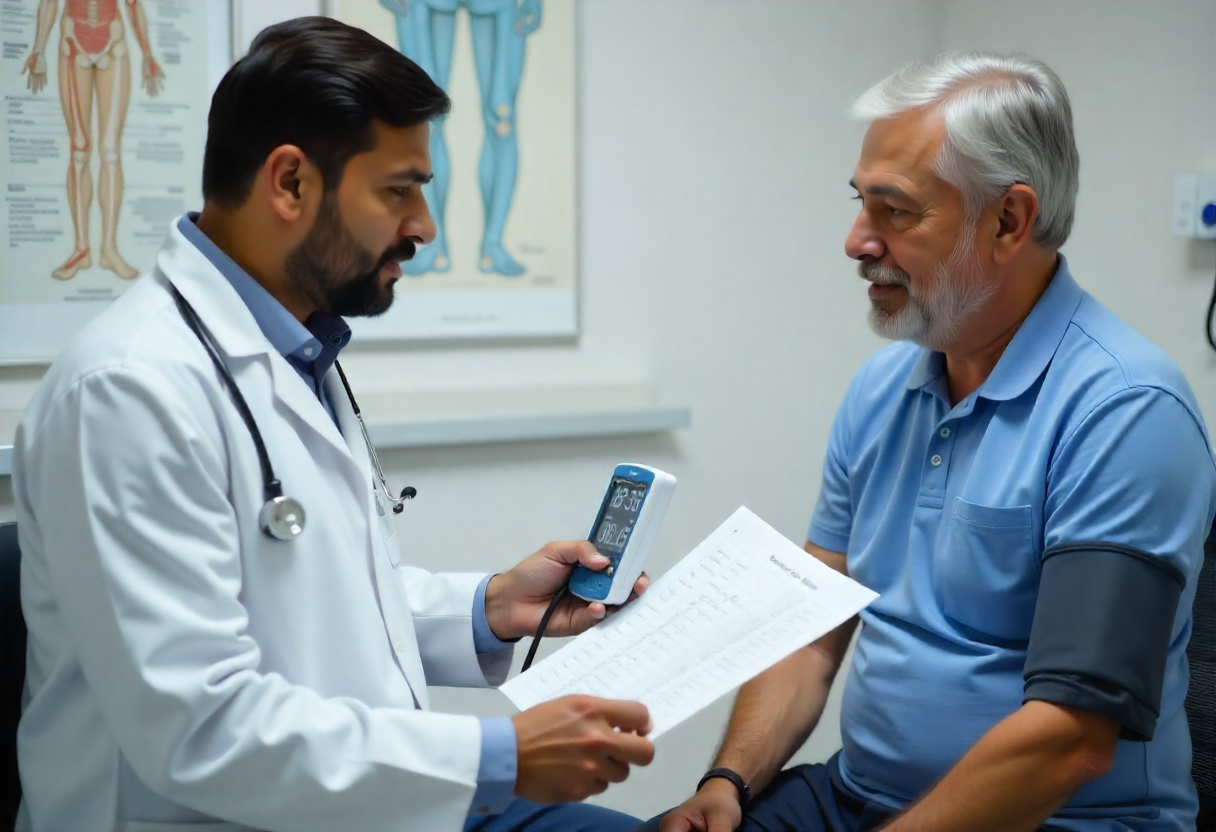
Have you ever had your blood pressure checked and wondered what those numbers really mean? Most of us hear terms like 120/80 or high BP without fully understanding how blood pressure works or why it’s so important. This article breaks it down in simple terms, so you can take control of your health.
What Is Blood Pressure?
Blood pressure is the force of your blood pushing against the walls of your arteries. It’s measured in two numbers:
-
Systolic pressure (top number): Pressure when your heart beats
-
Diastolic pressure (bottom number): Pressure when your heart rests between beats
For example, a reading of 120/80 mmHg means 120 systolic and 80 diastolic.
What Do the Numbers Mean?
| Category | Systolic | Diastolic |
|---|---|---|
| Normal | < 120 | < 80 |
| Elevated | 120-129 | < 80 |
| High (Stage 1) | 130-139 | 80-89 |
| High (Stage 2) | 140+ | 90+ |
| Crisis | 180+ | 120+ |
If your readings are consistently above normal, it’s time to take action — even if you feel fine.
Why Is It So Important?
High blood pressure (also known as hypertension) is often called the “silent killer” because it usually has no symptoms. But over time, it can lead to:
-
Heart disease
-
Stroke
-
Kidney damage
-
Vision loss
That’s why regular check-ups and at-home monitoring can literally save your life.
Common Causes of High Blood Pressure
-
Too much salt (sodium) in your diet
-
Lack of physical activity
-
Obesity or being overweight
-
Smoking and alcohol use
-
Chronic stress
-
Genetics and age
Understanding these risk factors helps you make better lifestyle choices.
How to Keep It Under Control
-
Eat smart: Choose low-salt, high-fiber foods. Add fruits, vegetables, whole grains, and lean proteins.
-
Be active: At least 30 minutes of walking or exercise, 5 days a week.
-
Monitor regularly: Use a home digital blood pressure machine for easy tracking.
-
Avoid harmful habits: Limit alcohol, avoid tobacco, and manage stress through deep breathing or meditation.
-
Medication (if needed): Some people require medicine — and that’s okay. Follow your doctor’s advice.
Warning Signs to Watch (in Severe Cases)
Though rare, if you experience any of the following, seek medical help immediately:
-
Sudden chest pain
-
Difficulty breathing
-
Severe headache
-
Blurred vision
-
Dizziness or confusion
Final Thoughts
Blood pressure isn’t just a number — it’s a vital sign of your overall health. By understanding what it means and how to manage it, you take a powerful step toward living a longer, stronger life.
🩺 Check it. Understand it. Control it. Your heart will thank you.